
OSTEOPOROSIS SYMPTOMS, TREATMENT OPTIONS, AND HOW A DEXA BONE HEALTH SCAN CAN HELP DIAGNOSE THE CONDITION
Osteoporosis is a common but often silent condition where bones become weaker, thinner, and more fragile over time. It affects millions of people worldwide, especially post-menopausal women and older adults, but it can occur in men and younger individuals too. Early diagnosis is essential because osteoporosis can progress without noticeable symptoms until a fracture occurs. A DEXA bone density scan (also called a DXA scan) is the gold standard test for diagnosing osteoporosis accurately.
This article explains the symptoms of osteoporosis, available treatment options, and how a DEXA scan can assess your bone strength and fracture risk. It is designed for anyone concerned about bone health or searching for “DEXA scan London” or “bone density scan near me.”
WHAT IS OSTEOPOROSIS?
Osteoporosis is a health condition where bone density decreases and the internal structure of the bone weakens over time. Healthy bone is constantly being broken down and rebuilt. In osteoporosis, this balance shifts and bone is lost faster than it is replaced. As a result, bones become more fragile and are more likely to break from minor falls or even small everyday movements.
COMMON SIGNS AND SYMPTOMS OF OSTEOPOROSIS
Osteoporosis is often called a “silent disease” because most people do not realise they have bone loss until they suffer a fracture. However, some signs and symptoms may suggest reduced bone strength:
- Frequent fractures
Fractures from low-impact events, such as a minor fall or lifting something light, can indicate weakened bones. - Loss of height
Gradual height loss can occur due to compression fractures in the spine. - Back pain
Tiny fractures in the vertebrae can cause persistent or sudden back pain. - Stooped posture
A forward-curving posture (kyphosis) can develop as spinal bones weaken. - Reduced grip strength
Lower muscle and bone strength often go hand in hand. - Early menopause or low hormone levels
These are not symptoms but risk factors that may lead to faster bone loss.
Even if you have no symptoms, you can still have osteoporosis — which is why screening with a DEXA scan is recommended for those at risk.
WHO IS AT RISK OF OSTEOPOROSIS?
Anyone can develop osteoporosis, but the risk is higher in:
– Post-menopausal women
– Adults over 50
– People with a family history of osteoporosis
– Individuals who have had previous fractures
– People with low body weight
– Long-term steroid users
– Those with Vitamin D deficiency
– Individuals with chronic conditions such as rheumatoid arthritis
– Smokers and heavy alcohol users
HOW A DEXA SCAN DIAGNOSES OSTEOPOROSIS
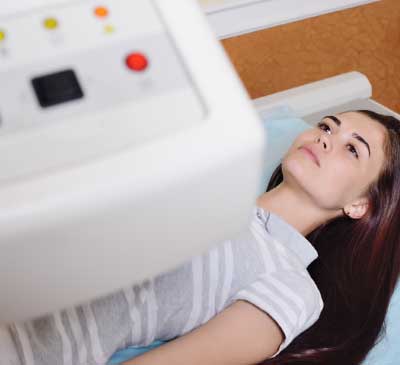
A DEXA scan (also called a DXA scan or bone density scan) is the clinical gold standard for diagnosing osteoporosis. It uses very low-dose X-ray beams to measure bone mineral density (BMD) at key sites such as the hip and spine.
The scan provides two important scores:
T-score
Compares your bone density to that of a young healthy adult.
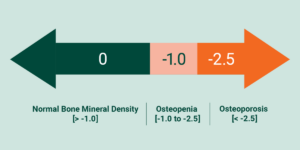
A T-score of:
– -1.0 or above = normal bone density
– -1.0 to -2.5 = osteopenia (early bone loss)
– -2.5 or below = osteoporosis
Z-score
Compares your bone density to someone of the same age and sex.
Primarily used for children, younger adults or investigating secondary causes of bone loss
A DEXA bone density scan is painless, quick (usually 10 minutes), and involves minimal radiation — far less than a standard X-ray.
TREATMENT OPTIONS FOR OSTEOPOROSIS
If osteoporosis or osteopenia is diagnosed, there are several effective treatments available. Treatment depends on severity, age, medical history, and individual fracture risk.
- Bisphosphonates
Medications such as alendronic acid, risedronate, and ibandronate help slow bone breakdown and increase bone density.
- Denosumab
An injection given every six months that reduces bone loss and strengthens bone.
- Hormone-based treatments
HRT (hormone replacement therapy) may help women after menopause by restoring oestrogen levels that protect bone density.
- Anabolic agents
Drugs like teriparatide or romosozumab stimulate the body to build new bone.
- Calcium and vitamin D supplementation
These support bone metabolism, especially in people with low levels.
- Weight-bearing and resistance exercise
Walking, strength training, and impact exercise are proven to improve bone strength and reduce fracture risk
- Lifestyle modifications
Quitting smoking, reducing alcohol, maintaining a healthy weight, and improving nutrition all support bone health.
WHY EARLY DIAGNOSIS WITH A DEXA SCAN MATTERS
Osteoporosis cannot be felt — but it can be measured. A DEXA scan allows early detection before a fracture occurs. Once a fracture happens, the risk of additional fractures increases significantly. Early identification allows treatment to begin sooner, reducing long-term risks.
A DEXA scan can help by:
– Diagnosing osteoporosis and osteopenia
– Measuring fracture risk
– Tracking bone density over time
– Assessing treatment effectiveness
– Providing baseline data for patients at risk
– Offering reassurance for individuals wanting a clear picture of bone health
DEXA bone density scans are recommended for anyone over 50 with risk factors, post-menopausal women, and anyone with unexplained fractures or long-term steroid use.
CONNECTING OSTEOPOROSIS DIAGNOSIS WITH DEXA.LONDON
DEXA.LONDON provides specialist bone health assessments using medical-grade DEXA technology. Our bone density scans deliver precise measurements of your spine and hip, interpreted by consultant rheumatologists through Medica. Whether you are experiencing osteoporosis symptoms, concerned about bone strength, or want early screening, DEXA.LONDON offers fast appointments, clear reports, and reliable diagnoses. Located on Harley Street and operated by 3Beam Ltd, DEXA.LONDON is designed to help you understand your bone health, reduce fracture risk, and start treatment early if needed.